Introduction
Football is more than just a sport, it is a global culture that links millions of supporters every week. People gather in stadiums, sports bars, club rooms, and local community grounds to cheer for their beloved teams. The play on the pitch stays the main draw, but there is another essential piece of the matchday rhythm that has gotten real attention lately, the football club menu.
The modern football club menu is no longer only basic snacks and drinks. Today, clubs show a wide range of meals, regional dishes, premium dining moments, wellness options, and family oriented choices. From those classic pies and burgers, to gourmet plates served in luxury lounges , food has become an essential part of football culture.
A carefully thought out football club menu helps teams up their revenue, raises fan satisfaction, and reinforces their brand identity. It also builds lasting experiences that make supporters want to come back again for the next matches.
This guide is, well, pretty comprehensive and it covers everything you might want to know about the football club menu, from its origins, up through what people usually pick, plus some ideas on menu design strategies. It also touches stadium dining trends, fan expectations and where football hospitality is heading next, because that area keeps evolving. These days, modern football club menus don’t just list classic snacks; they also bring in a wide mix of food choices, healthier options, premium hospitality dining and those local specialties that make the matchday experience feel more personal and lively.
What Is a Football Club Menu?
A football club menu means the whole mix of food and drink options that a club serves, during match days, on certain events ,and even for daily work. In a way it is the set of choices people can buy there, like snacks, meals and refreshments.
These menus may be available in:
- Stadium concession stands
- Club restaurants
- VIP hospitality lounges
- Sports bars
- Clubhouse dining areas
- Fan zones
- Training facilities
- Community events
The aim of a football club menu is to offer fans, members, players, and visitors tasty, easy dining options while improving their entire experience a bit, too.
In the past, football menus were simple. Most clubs sold basic items such as:
- Hot dogs
- Burgers
- Chips
- Soft drinks
- Beer
Today, football club menus have evolved significantly and often include gourmet meals, vegetarian dishes, vegan options, international cuisine, desserts, specialty beverages, and premium dining packages.
The Evolution of the Football Club Menu
Early Football Stadium Food
During the early years of football, food offerings were extremely limited.
Fans attending matches could usually purchase:
- Meat pies
- Sausages
- Tea
- Coffee
- Basic sandwiches
The focus was primarily on convenience rather than quality.
Food vendors operated simple kiosks that provided quick service during halftime.
The Rise of Stadium Hospitality
As football became more commercialized, clubs recognized the revenue potential of hospitality services.
VIP boxes and executive lounges began offering:
- Premium meals
- Fine dining experiences
- Exclusive beverage selections
- Table service
This marked the beginning of a new era for football club menus.
Modern Football Dining
Today, football clubs compete to offer exceptional dining experiences.
Many modern stadiums feature:
- Gourmet burger stations
- International food courts
- Craft beverage bars
- Family dining areas
- Healthy meal options
- Digital ordering systems
Food is now a big part of the whole matchday vibe. Most modern football club menus often show worldwide flavors, meat free options, and higher end hospitality choices next to the usual stadium classics , you know the ones.
Why Football Club Menus Matter
Enhancing Fan Experience
Supporters spend several hours at football venues.
Quality food helps create a more enjoyable environment and keeps fans engaged before, during, and after matches.
Building Club Identity
Many clubs use local cuisine to showcase regional culture.
Examples include:
- Traditional British pies
- German bratwurst
- Spanish tapas
- Italian pizza
- American barbecue
These dishes help strengthen the club’s connection to its community.
Increasing Revenue
Food and beverage sales represent a significant source of income.
A successful football club menu can generate substantial matchday revenue while encouraging repeat visits.
Supporting Community Engagement
Many clubs partner with local suppliers and restaurants.
This approach supports local businesses and creates stronger community relationships.
Essential Components of a Football Club Menu
Starters and Snacks
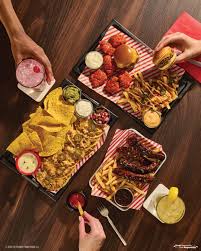
Popular starter options include:
- Garlic bread
- Chicken wings
- Nachos
- Potato wedges
- Onion rings
- Mozzarella sticks
These items are easy to prepare and perfect for sharing.
Main Courses
The main course section usually includes:
Burgers
Burgers remain one of the most popular football foods worldwide.
Common varieties include:
- Beef burgers
- Chicken burgers
- Vegetarian burgers
- Double cheeseburgers
Pizza
Pizza is another fan favorite because it is:
- Easy to eat
- Suitable for groups
- Available in many flavors
Fish and Chips
Traditional football venues often serve fish and chips as a classic comfort food.
Grilled Meals
Premium dining areas may offer:
- Steaks
- Grilled chicken
- Seafood platters
- Mixed grills
In football club menus you will often see burgers , pizzas, steaks, schnitzels, fish and chips, plus other pub style plates that draw in a wide crowd.
Healthy Food Options in Football Club Menus
Modern fans increasingly seek healthier choices.
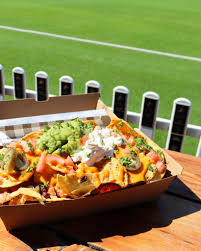
Popular healthy menu items include:
- Fresh salads
- Grilled chicken wraps
- Fruit bowls
- Protein meals
- Vegan dishes
- Gluten-free meals
Clubs that provide healthy alternatives can attract a wider audience.
Family-Friendly Football Club Menus
Families represent an important segment of football audiences.
Many clubs include dedicated children’s menus featuring:
- Chicken nuggets
- Mini burgers
- Pasta
- Fish fingers
- Small pizzas
Affordable family meal deals are also common.
VIP and Hospitality Dining
Premium football experiences often include luxury dining.
VIP menu options may feature:
- Three-course meals
- Wine pairings
- Premium desserts
- Private dining rooms
- Chef-curated menus
Hospitality dining helps clubs generate high-value revenue while providing exclusive experiences.
Regional Football Club Menu Variations
England
Popular choices include:
- Meat pies
- Fish and chips
- Sausage rolls
- Burgers
Germany
Common menu items include:
- Bratwurst
- Pretzels
- Beer selections
Spain
Fans often enjoy:
- Tapas
- Paella
- Spanish sandwiches
Italy
Italian football clubs frequently serve:
- Pizza
- Pasta
- Panini
United States
American stadium menus emphasize:
- Hot dogs
- Burgers
- Barbecue
- Loaded fries
Technology and Football Club Menus
Technology continues to transform stadium dining.
Innovations include:
Mobile Ordering
Fans can place orders through smartphone apps.
Self-Service Kiosks
Kiosks reduce waiting times and improve efficiency.
Contactless Payments
Digital payment methods make transactions faster and more convenient.
Digital Menu Boards
Electronic displays allow clubs to update menus instantly.
Sustainability in Football Club Menus
Environmental responsibility is becoming increasingly important.
Many clubs now focus on:
- Reducing food waste
- Using recyclable packaging
- Sourcing local ingredients
- Offering plant-based meals
These initiatives help clubs achieve sustainability goals while appealing to environmentally conscious supporters.
How Clubs Design Effective Menus
Successful football club menus follow several key principles.
Simplicity
Fans should easily find menu items.
Variety
Offer choices for different dietary preferences.
Speed
Food should be prepared quickly.
Quality
Consistent quality encourages repeat purchases.
Branding
Menu design should reflect club identity and culture.
Menus that are pretty well arranged, with obvious categories, nice visuals, and a navigation that is easy, really help customers feel satisfied, and it does increase sales too.
Matchday Specials and Seasonal Menus
Many clubs introduce special menu items for:
- Rivalry matches
- Cup finals
- Holiday celebrations
- Club anniversaries
These limited-time offerings create excitement and encourage additional spending.
Future Trends in Football Club Menus
The future of football dining may include:
- AI-powered ordering systems
- Personalized menu recommendations
- Expanded vegan options
- Smart stadium food delivery
- Sustainable food sourcing
- Interactive dining experiences
As fan expectations continue to evolve, clubs will likely invest further in innovative dining solutions.
Tips for Football Clubs Creating Better Menus
- Understand fan preferences.
- Offer diverse food choices.
- Maintain consistent quality.
- Use local ingredients.
- Implement digital ordering.
- Provide healthy alternatives.
- Focus on sustainability.
- Update menus regularly.
- Promote special offers.
- Gather customer feedback.
Frequently Asked Questions
What is a football club menu?
A football club menu is basically the assortment of food and drink options that football clubs make available, at stadiums at times, but also in restaurants, in hospitality lounges, and inside club facilities.
Why is a football club menu important?
It improves fan satisfaction, increases revenue, and strengthens the overall matchday experience.
What foods are commonly found on football club menus?
Popular items include burgers, pizza, fish and chips, wings, fries, sandwiches, desserts, and beverages.
Do football clubs offer healthy food options?
Yes. Many clubs now provide salads, vegan meals, gluten-free dishes, and protein-rich foods.
Are football club menus available online?
Many clubs publish menus on their official sites, mobile apps, and digital platforms too, so fans can plan their dining experience a bit easier and earlier, really.
Conclusion
The football club menu has turned into a meaningful part of modern football culture, like really. What used to be just a plain set of snacks has become a more advanced dining experience, it mirrors club identity, it strengthens fan participation and it creates real, measurable revenue.
Whether supporters enjoy that classic pie in the stands, a gourmet burger in a fan zone, or a luxury meal inside a hospitality suite, food plays a vital role in making matchday experiences memorable.
As technology moves ahead, and supporter expectations keep rising, football club menus will likely get more imaginative. The clubs that concentrate on top quality, a broad selection, sustainable sourcing, and smooth convenience will be in the best position to deliver outstanding matchday moments for fans, and also to keep steady progress for the long haul.